(This post contains sponsored links from the Gulf Coast Neurofeedback. All thoughts, views and opinions are my own. RIGHT NOW: Your First Session is FREE and 50% off a, 3 Session Trial.)
What Changes You Might Actually Feel-And Why Those Changes Make Sense From A Nervous System Standpoint
I have been receiving Microcurrent Neurofeedback, at Gulf Coast Neurowellness, and my experience has been that it supports what so many of us are trying to achieve: better regulation-sleep, focus, stress response, and sensory overload.
Nervous Systems Require Regulation
A lot of modern life keeps the brain and body in a state of hyperarousal—meaning your system is running on “high-alert” more often than it should. Read here how understanding the stress response from chronic activation of this survival mechanism impairs health from Harvard Health Publishing. Gulf Coast Neurowellness provides relief from insomnia!? Yes, they do! And I’m a walking testimony to it! You can see all about it, here!
In research on insomnia, for example, cortical hyperarousal is one of the proposed drivers of poor sleep, and some neurofeedback protocols aim to reduce that over-activation.
Microcurrent neurofeedback is designed to be a non-invasive, passive approach (you’re not actively “training” during the session). The goal is to help the brain recognize its own patterns and move toward improved self-regulation over time. It’s different from talk therapy—and it’s not medication—but it can be a supportive part of an overall plan.
What I’ve Noticed Personally (And How It Connects)
1) Sleep: more restorative and easier “downshift”.
I’m sleeping better—and it’s not just “I’m tired so I slept.”
My body feels like it can settle more easily at night. From a physiology perspective, that lines up with the idea of lowering hyperarousal and improving the brain’s ability to shift into a calmer state when it’s time to rest.
2) Focus: less mental noise, better task-follow-through.
I feel more focused and less scattered. The best way I can describe it is: fewer “open tabs” competing for attention.
3) Stress Response: More Patience, Less Reactivity
I’m more patient—meaning my nervous system doesn’t spike into irritation or overwhelm as quickly.
Clinically, that fits with the broader goal of helping the brain become more flexible in how it responds to stressors. Microcurrent neurofeedback (IASIS I-MCN) can help in improvements in symptoms like ADHD, anxiety and depression.
4) Sensory Overload: Less “Flooded” by sound and stimulation.
When the nervous system is overloaded, the brain can feel like it has less “filtering capacity.” For me, it’s been the difference between feeling instantly overstimulated and feeling like I can stay steady in normal day-to-day noise and movement.
Final Thoughts
Microcurrent neurofeedback is non-invasive with protocols that can be individualized, clinics commonly work with a wide range of people—kids, teens, adults, and older adults—based on goals like sleep, stress resilience, attention, regulation and more! See my previous blog post for more info on what IASIS MCN treats.
So many of you have related with being silently overwhelmed—functioning, but not thriving.
If you’ve been feeling like:
• you’re always “on”
• stress hits you harder than it should
• you’re overstimulated easily
• sleep isn’t restful
• your mind won’t slow down
…it might be worth exploring.
If you’re local, or don’t mind a drive, I truly recommend Gulf Coast Neurowellness. They have two amazing locations, one in Foley and one in Spanish Fort. Ashley is amazing and we love her and her staff!
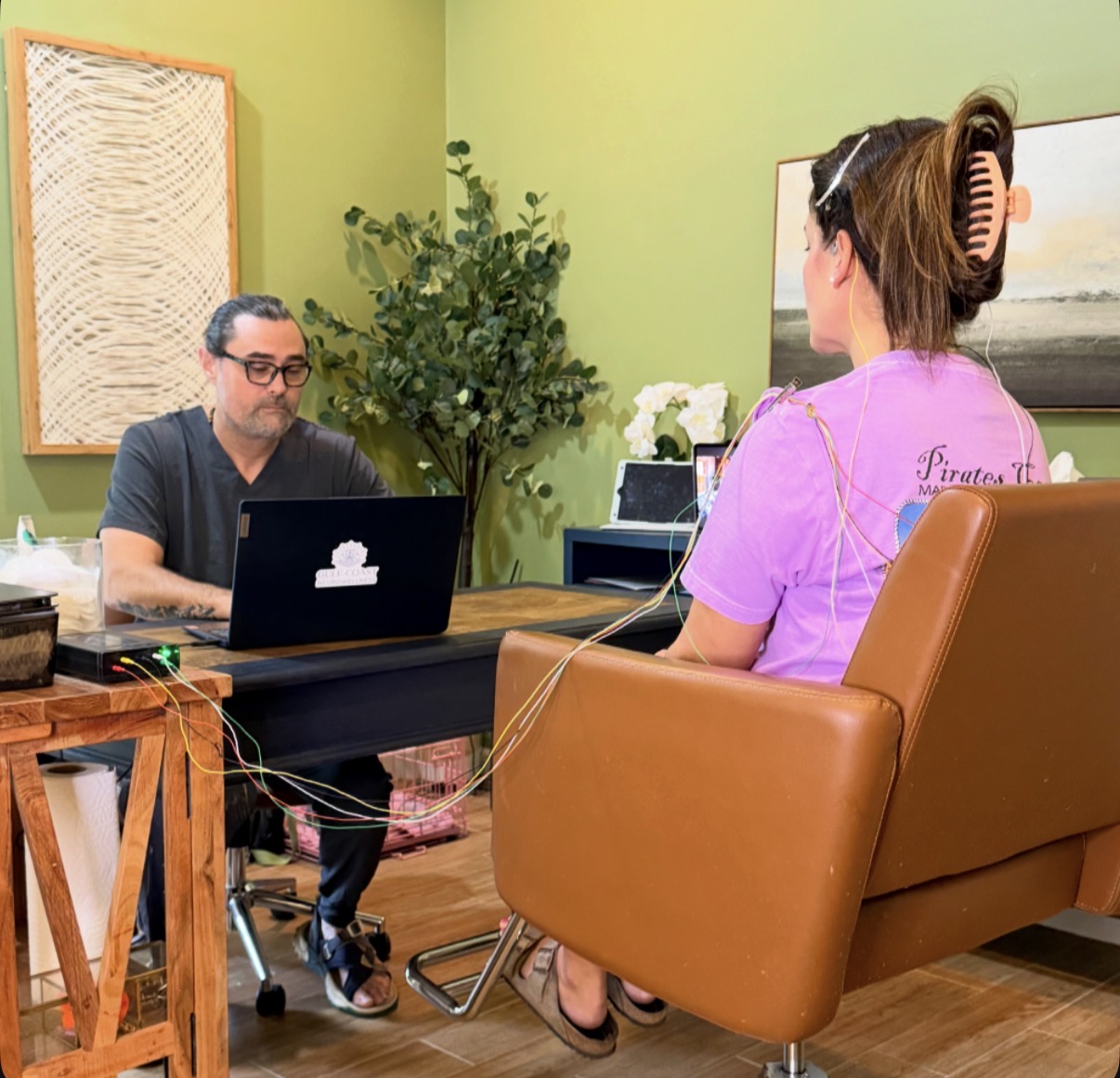
Spanish Fort Office
I’m so grateful to be working with Gulf Coast Neurowellness, and even more grateful for how supported we’ve felt through the process.
If you have any questions or you are thinking about microcurrent neurofeedback, please reach out! If you have experienced microcurrent neurofeedback yourself, I’d love to hear your journey! Check out my newest Reel!
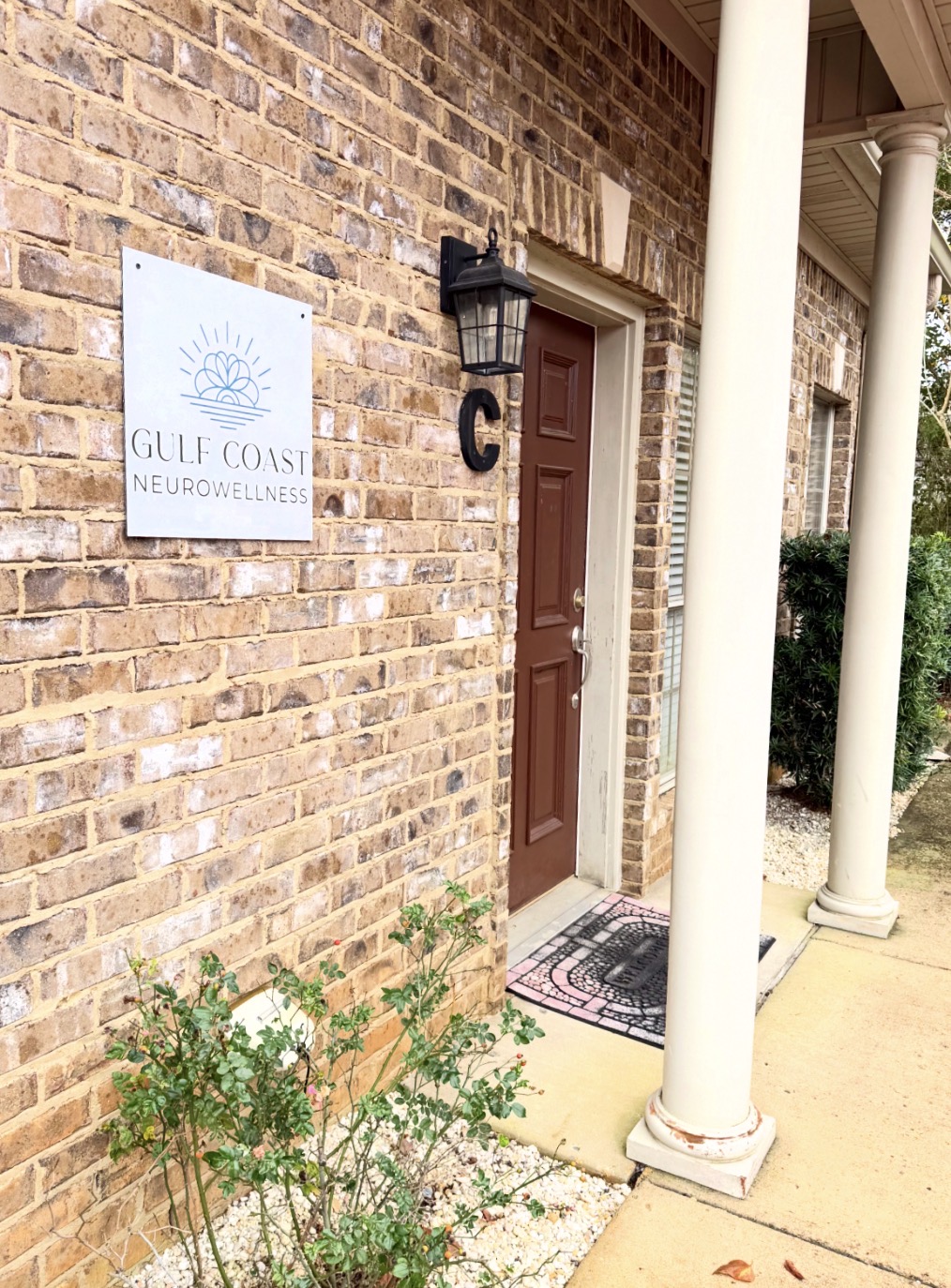
Entrance of Spanish Fort Office
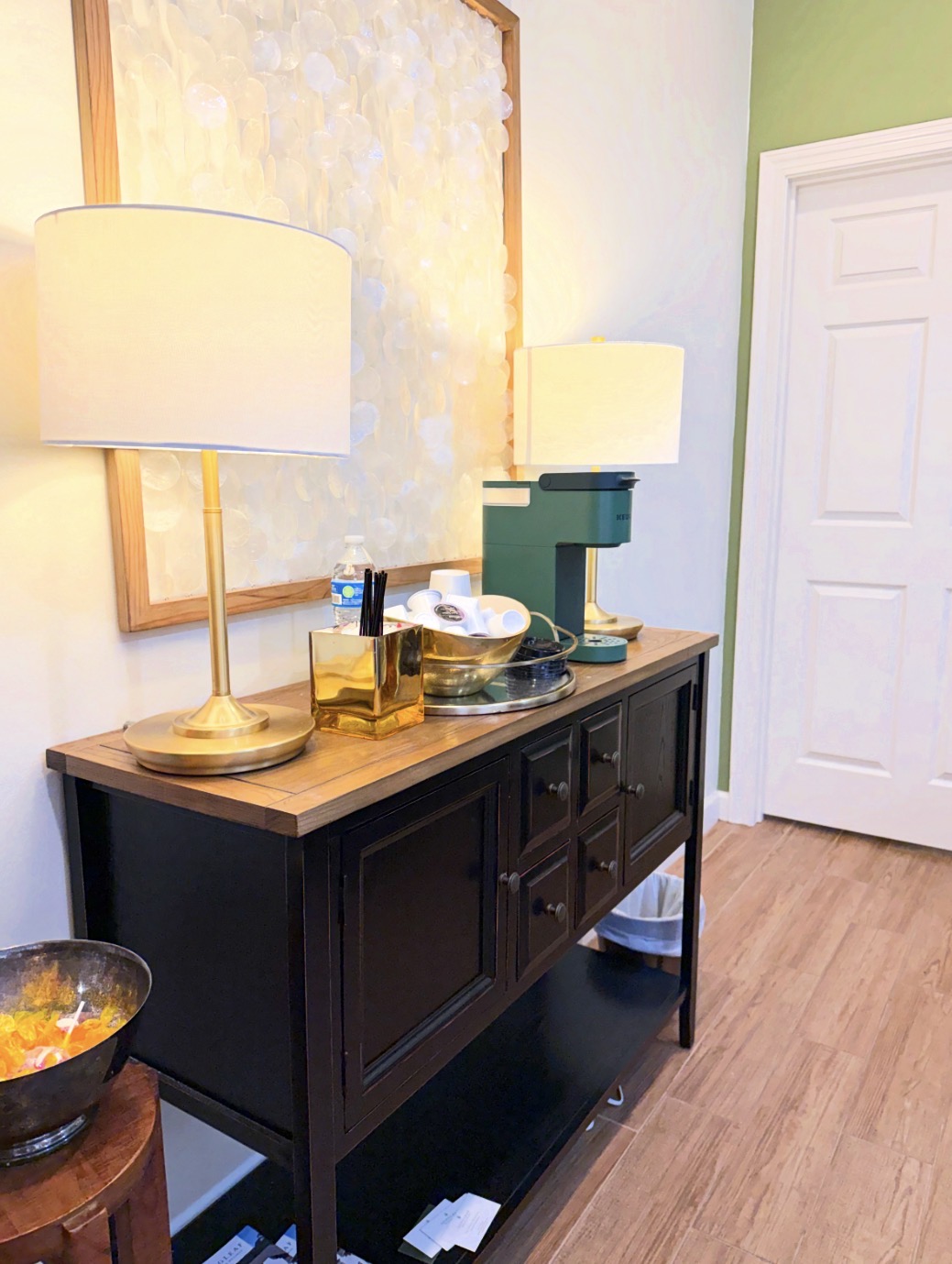
Entrance of Waiting Area
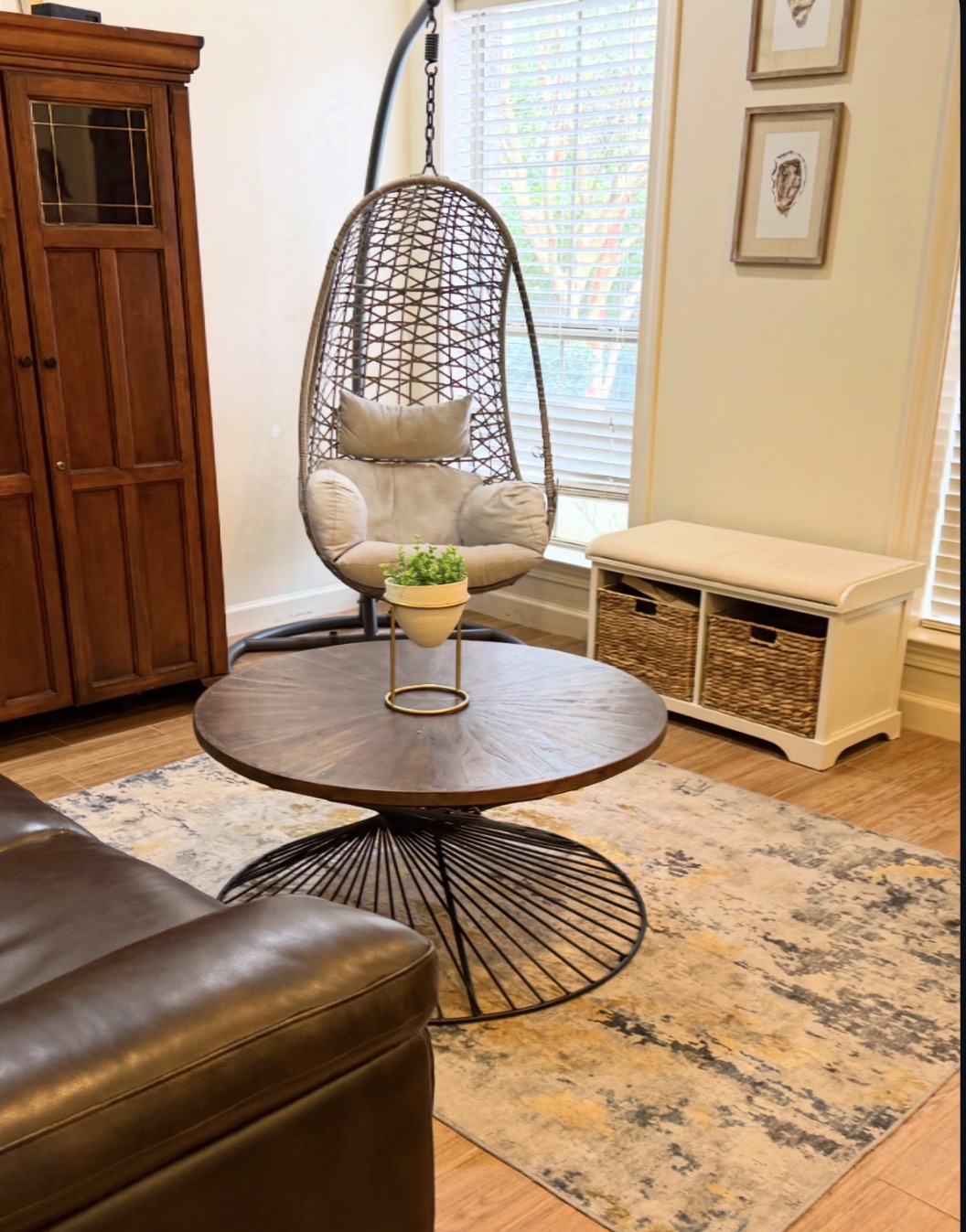
Inside Waiting Area
If you’re curious about receiving Microcurrent Neurofeedback, reach out to Ashley at Gulf Coast Neurowellness. When speaking with Ashley, you don’t have to know all the technical terms—you just have to start with, “This is what I’m struggling with. Can this help?”
Because sometimes the best thing you can do for yourself (and your family)… is support your nervous system first!

 Sweet Southern Grace
You must be logged in to post a comment.